Where the Mall Money Went: Following Gen Z's Dollars Into the Digital Aisle
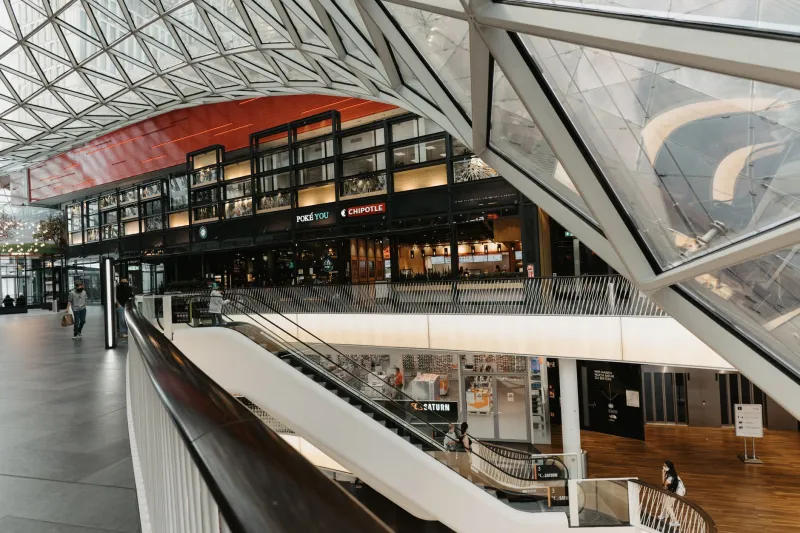
Somewhere in a suburb outside Columbus, Ohio, there's a two-level JCPenney with a broken escalator and a smell you can't quite name. It's still technically open. Nobody's really inside.
This is the scene playing out across roughly a third of America's malls, and while the retail apocalypse think pieces have been running for a decade, the actual story of where young people's clothing budgets landed has never been more interesting. Because here's the twist: Gen Z didn't stop spending. They just stopped spending there.
The Anchor Store Is Officially a Relic
For the better part of sixty years, the American mall ran on a simple engine. You came for the anchor — Sears, Macy's, Lord & Taylor — and you stayed for everything in between. Those department stores weren't just shops; they were the default wardrobe infrastructure for anyone under twenty-five. Back-to-school haul, prom dress, first interview blazer: one building, one parking lot.
That engine has seized up. Department store sales have been on a slow slide since the mid-2000s, and the pandemic didn't kill the model so much as pull the plug on life support. When a flagship closes, the mall loses its gravitational pull — and Gen Z, who never formed the nostalgic attachment that keeps older shoppers limping through the food court, simply stopped orbiting.
"I worked at a Hollister in a New Jersey mall through high school," says Dana, 24, who now runs a resale shop online. "We'd get maybe six customers on a Tuesday. On Depop, I can get six sales before lunch."
Depop Is the New Department Store — Minus the Fluorescents
The resale economy is where a huge chunk of that redirected spending lives. Platforms like Depop, Poshmark, and Vinted have turned secondhand shopping from a thrift-store treasure hunt into a searchable, algorithm-fed experience. Gen Z buyers aren't just hunting vintage Levi's; they're following specific sellers the way previous generations followed brands.
The numbers back the vibe. Resale has grown several times faster than traditional retail for years, and secondhand apparel is projected to be one of the largest segments of the US fashion market within the decade. For a generation hyperaware of both overconsumption and price, a $28 pre-worn Carhartt jacket beats a $110 new one on every metric they care about.
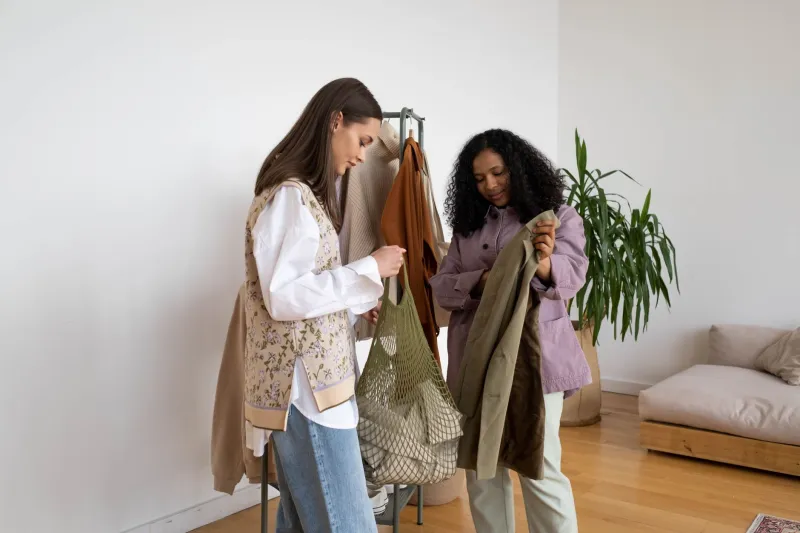
The sellers are often the same people who used to staff the mall. Retail layoffs and cut hours pushed a wave of twenty-somethings into reselling full-time, and they brought the merchandising instincts with them — flat lays, curated drops, seasonal collections. It's the Gap display, decentralized.
TikTok Made Me Buy It
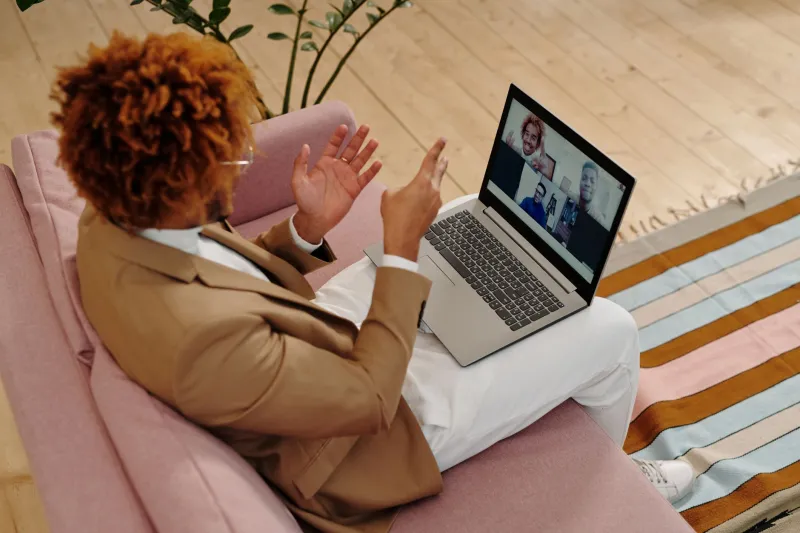
Then there's the impulse economy. TikTok Shop, Instagram checkout, and the endless parade of indie e-commerce labels have collapsed the distance between discovery and purchase to nearly zero. Where a mall trip once required a ride and a Saturday, the new storefront lives inside an app you were already scrolling at 1 a.m.
This isn't uniformly a good thing — the ultra-fast fashion side of it has real environmental and labor costs that Gen Z shoppers themselves are increasingly vocal about. But the indie end of the spectrum is thriving too: small labels built on Instagram, drop-based releases, limited runs, and a direct line between designer and buyer that no department store buyer ever allowed.
Can the Mall Come Back From the Dead?
Here's where we hedge: maybe. The malls surviving — and some are genuinely thriving — are the ones that stopped pretending to be department-store hubs. They're becoming mixed-use spaces: pickleball courts, gyms, food halls, apartments, pop-up retail for DTC brands that want temporary physical footprints. The idea isn't to lure shoppers back with an anchor store; it's to give them a reason to exist in the space at all.
Some brands are experimenting with small-format stores inside these reinvented malls — not anchors, but satellites. Whether that's a renaissance or a hospice care plan depends on who you ask.
What seems clear is that the mall as a wardrobe source is finished. The next generation's favorite store is a seller profile, a drop calendar, a thrift haul video. The mall taught America how to shop in public. Gen Z is learning how to do it alone, at scale, in their bedrooms.
The JCPenney outside Columbus will close eventually. The money left years ago.