The New Gatekeepers: Inside the Thrift Stores of the Internet
The Feed Comes First
By the time a pair of faded Levi's 501s shows up in a department store capsule collection, it has already lived a full life online. It's been sourced from a church rummage sale in Ohio, styled in a Brooklyn apartment, photographed against a bedsheet backdrop, and sold to a buyer in Phoenix for triple its thrift-store price. Somewhere in that journey, it became a trend — and not because a magazine said so.
The people running that journey are resellers: a loose network of curators on Depop, Poshmark, Etsy, and Instagram who have quietly become the most influential buyers in American fashion. They don't sit front row. They don't need to. Their inventory is the forecast.
Sourcing as a Superpower
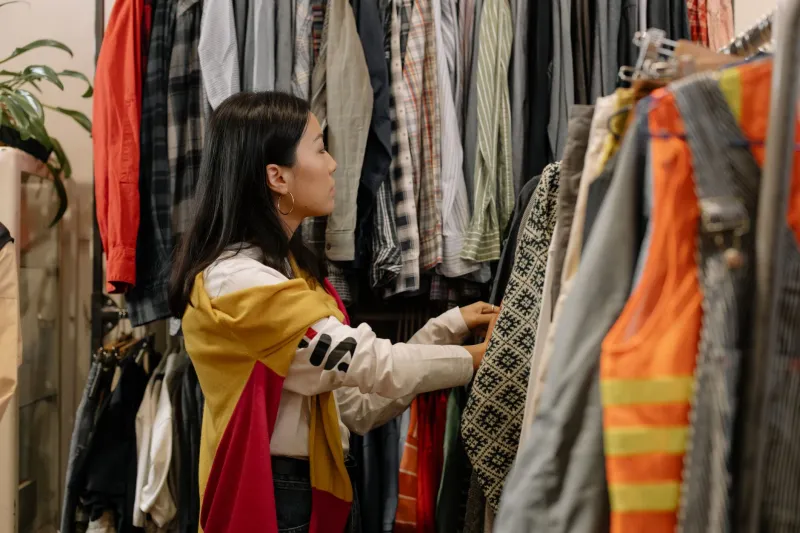
Spend any time following top sellers and you'll notice a pattern: they shop with the intensity of professional buyers and the instincts of archivists. Many describe weekend routes that hit five or six estate sales before noon, or thrift store runs timed to restock days in towns they've never visited.
"We're reading the culture through the racks," one Los Angeles-based seller with a six-figure annual gross told us. "If I'm suddenly finding twenty pairs of wide-leg trousers and nobody's buying skinny jeans anymore, that's data. Brands pay analysts for what we see for free."
That data travels fast. A reseller who can't keep a particular Carhartt jacket or silk slip in stock is essentially running a live focus group. Buyers at mass retailers and even design teams at heritage labels have been known to scroll these shops the way older executives read trend reports.
From Bedroom to Business
What started as closet cleanouts has matured into an informal industry. Top American sellers now operate with spreadsheets, shipping stations, and brand identities that rival small labels. Some have moved into consignment, pop-ups, and even their own merchandise.
But growth has friction. The comment sections of large resale accounts are full of a familiar complaint: this used to be cheap. When thrifted goods are marked up four- or five-fold, the original ethos of thrift culture — access, sustainability, the joy of the find — starts to feel like a marketing pitch. Critics argue resellers are pricing out the very communities that built secondhand shopping in the first place.
Defenders push back. "The markup is the curation," one Poshmark seller said. "You're not paying for the shirt. You're paying for the two hundred hours it took me to know that shirt matters."
Both things can be true. And the tension is shaping the next chapter of resale: platforms adding authentication, buyers getting savvier, and the line between 'vintage' and simply 'used' getting blurrier by the season.
What Happens When the Gatekeepers Get Big
Here's the uncomfortable question: can resale influence the mainstream without becoming the mainstream? Every time a reseller-driven trend gets absorbed by fast fashion — the boxy blazers, the baggy denim, the Y2K revival — the cycle accelerates. The thrift store gets picked cleaner, faster. The find gets rarer. The markup climbs.
Some sellers are responding by leaning into education, sharing sourcing tips and pushing back on gatekeeping within their own community. Others are simply scaling up, treating the whole thing as the business it became whether anyone approved or not.
Either way, the power shift is real. The moodboard for next season isn't coming from a studio in Paris. It's coming from a phone in a spare bedroom in Ohio, one listing at a time.